

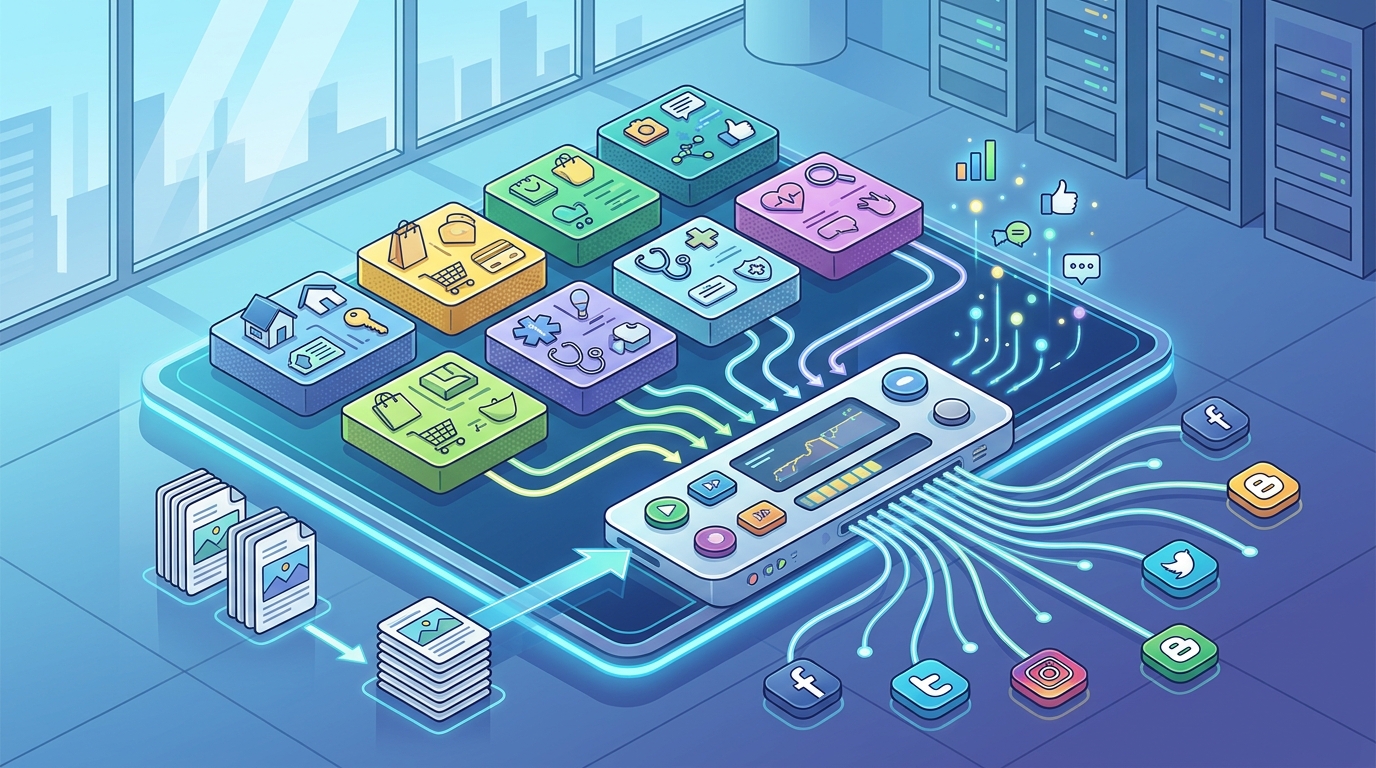
Agencies manage multiple client accounts by using a unified dashboard that centralizes scheduling, approval workflows, and analytics. This approach eliminates the need to log into separate social media accounts for each client. LSE Omni-Channel Marketing Platform provides the infrastructure for this workflow, allowing teams to publish across 16+ platforms from a single interface. This structure reduces administrative overhead and minimizes the risk of posting errors across diverse client portfolios.
Centralizing the Publishing Workflow
Managing dozens of client accounts across different networks creates significant friction. Traditional methods require switching between browser tabs and logging into individual accounts for every post. This fragmented process increases the time spent on administrative tasks rather than strategy. A centralized dashboard consolidates these actions into one view. LSE Omni-Channel Marketing Platform allows agencies to create a content calendar that spans all client accounts and platforms simultaneously. This consolidation ensures that no post is missed and that scheduling conflicts are visible before they occur. The implication is a streamlined production pipeline where content moves from creation to publication without manual handoffs between different software tools. For additional details, review the .
Implementing Structured Approval Processes
Client approval is a critical bottleneck in agency workflows. Without a structured system, approvals often happen via email or chat, leading to version control issues and delayed publications. An effective approval workflow integrates directly into the publishing tool. In the LSE platform, agencies can configure approval stages for specific post categories or client accounts. This ensures that only authorized personnel can publish content on behalf of a client. The evidence for this approach lies in the reduction of unauthorized changes and the creation of an audit trail. By embedding approvals within the scheduling interface, agencies maintain strict governance while keeping the workflow fast. This structure is essential for maintaining trust with clients who require sign-off on every piece of content. For additional details, review the Customer Experience.
Standardizing Analytics Across Brands
Agencies often struggle to compare performance across different clients because data is siloed within each social network. Standardizing analytics requires a tool that normalizes metrics across platforms. LSE Omni-Channel Marketing Platform tracks per-post snapshot analytics, including views, reactions, comments, and shares over time. This data allows agencies to identify which content types perform best for each specific client. Instead of relying on generic industry benchmarks, agencies can use their own historical data to inform future strategy. The implication is a data-driven approach to client reporting. Agencies can generate consistent reports that highlight performance trends, making it easier to demonstrate value to clients. This standardization turns raw data into actionable insights that drive better content decisions. For additional details, review the Frequently Asked Questions.
Scaling Content Creation with AI
Producing high-quality content for multiple clients is resource-intensive. AI content generation helps agencies scale their output without sacrificing quality. The LSE platform integrates with AI engines like ChatGPT and Perplexity to assist in drafting and translating content. This capability is particularly useful for agencies managing clients in different languages or industries. By using AI for initial drafts, human strategists can focus on refining the tone and ensuring brand alignment. The evidence for this workflow is the reduction in time spent on initial drafting. Agencies can produce more content variations for A/B testing, which improves overall engagement. This approach allows smaller teams to manage larger portfolios efficiently, leveraging technology to handle repetitive tasks. For additional details, review the About.
Key Takeaways
- Use a unified dashboard to centralize scheduling and reduce login friction across client accounts.
- Implement structured approval workflows within the publishing tool to maintain governance and audit trails.
- Standardize analytics by normalizing metrics across platforms to enable consistent client reporting.
- Leverage AI content generation to scale production and handle multilingual content efficiently.
- Utilize per-post snapshot analytics to identify specific performance patterns for each client.
- Choose a platform that supports the specific mix of social networks your clients use.
Frequently Asked Questions
How does a unified dashboard help agencies manage multiple clients?
A unified dashboard consolidates all client accounts and platforms into a single interface. This reduces the need to switch between different social media logins and streamlines the scheduling process.
What is the best way to handle client approvals in a social media tool?
The best way is to integrate approval workflows directly into the publishing platform. This ensures that content cannot be published without the necessary sign-offs and creates a clear audit trail.
Can agencies use AI to create content for multiple clients?
How do agencies compare performance across different social media platforms?
Agencies can compare performance by using a tool that normalizes analytics across platforms. This allows for consistent reporting and helps identify which networks drive the most value for each client.
What platforms does LSE Omni-Channel Marketing Platform support?
LSE supports a wide range of platforms including X, Facebook, Instagram, LinkedIn, YouTube, TikTok, and more. The specific platforms available depend on the chosen plan tier.
Conclusion
Efficient multi-account management requires a shift from fragmented tools to a unified, data-driven workflow. By centralizing publishing, standardizing analytics, and leveraging AI, agencies can scale their operations without compromising quality. LSE Omni-Channel Marketing Platform provides the necessary infrastructure for this transformation, offering the flexibility and control that modern agencies need. To explore how this platform can streamline your agency's workflow, visit the LSE Omni-Channel Marketing Platform. Learn more: LSE Omni Channel Marketing.