

Choosing Your AI Engine: A Guide to Multi-Model Social Media Management
Multi-Platform Scheduling
Platform Coverage by Tier
Strategic Channel Selection
Selecting the right platforms is as important as scheduling the content. Marketing directors should align their channel choices with their target audience demographics. For example, B2B companies may prioritize LinkedIn and X, while consumer brands might focus on Instagram, TikTok, and Pinterest. The LSE platform allows you to connect these accounts and manage them side-by-side, eliminating the need to switch between multiple vendor dashboards. For additional details, review the .
AI Model Selection
AI model selection is the process of choosing the specific artificial intelligence engine used to generate or refine marketing copy. Different AI models have distinct strengths, weaknesses, and stylistic tendencies. By allowing users to switch between engines, the LSE Omni-Channel Marketing Platform provides the flexibility to match the AI's capabilities to the specific content requirement. For additional details, review the Customer Experience.
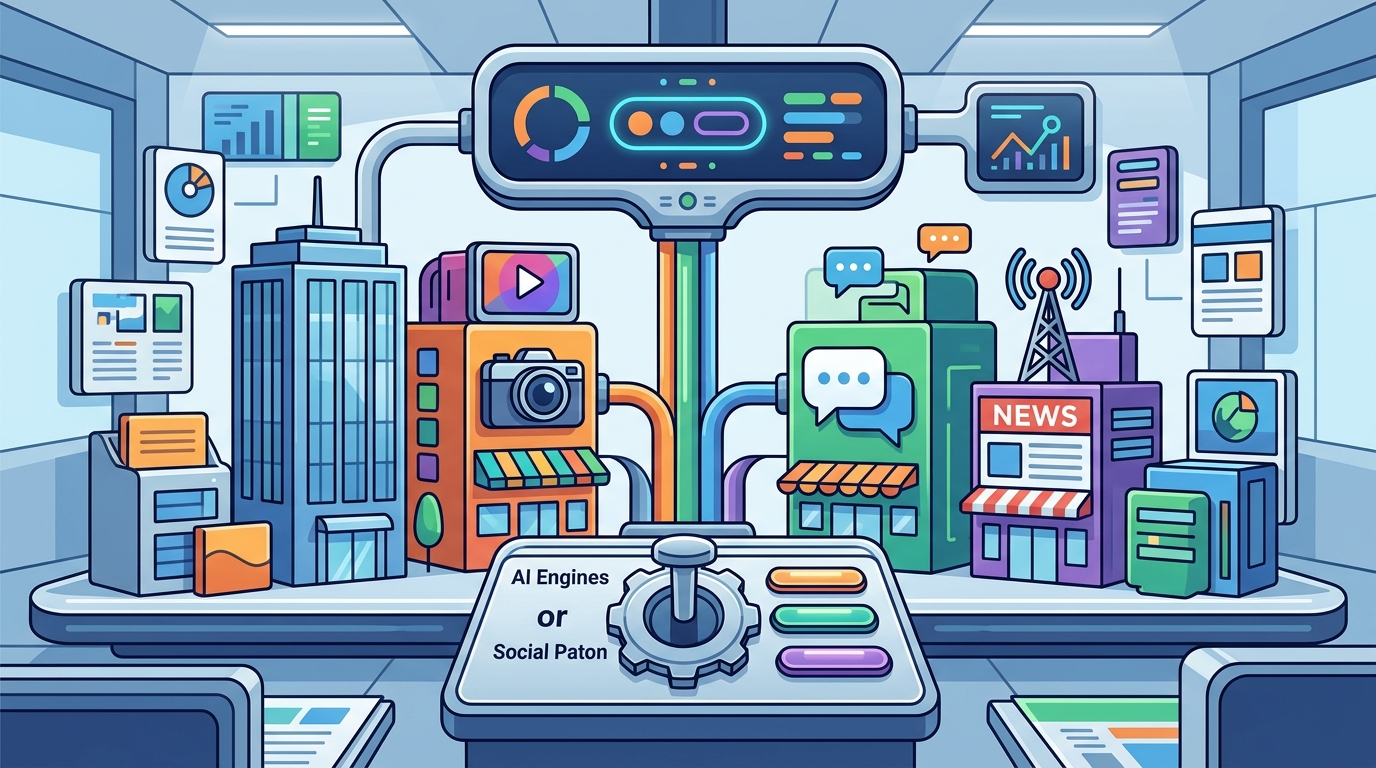
Available AI Engines
Matching Models to Content Types
Not every piece of content requires the same AI engine. A short, punchy tweet might be best handled by a fast, direct model, while a long-form LinkedIn article might benefit from a model that excels at structured, professional writing. Marketing teams can experiment with different engines for different post categories to determine which produces the highest quality output for their specific brand voice. For additional details, review the Frequently Asked Questions.
Content Analytics
Content analytics is the practice of measuring the performance of social media posts to inform future strategy. Generic advice about "best times to post" is often ineffective because audience behavior varies significantly by industry, region, and individual account. The LSE platform addresses this by providing per-post snapshot analytics that track views, reactions, comments, and shares over time. For additional details, review the About.
Per-Post Snapshot Analytics
Instead of relying on aggregated averages, the platform tracks the performance of individual posts. This granular data allows marketers to identify specific patterns in their own audience's behavior. For instance, you might discover that your audience engages most with video content on Tuesdays or that long-form text performs better on weekends. By analyzing this data, teams can optimize their posting schedules and content formats based on empirical evidence rather than guesswork.
Iterative Optimization
Analytics should drive an iterative process of testing and refinement. By reviewing the performance of posts generated by different AI models, teams can see which engine's output resonates most with their audience. This feedback loop ensures that the AI content strategy evolves alongside the audience's preferences, leading to sustained engagement growth.
Auto-Posting
Configurable Schedules
Efficiency and Consistency
Automating the posting process saves significant time for marketing teams. It also ensures consistency, which is a key factor in algorithmic favorability on most social networks. By setting up robust auto-posting rules, teams can focus their energy on content creation and strategy rather than the mechanical task of publishing.
AI Content Generation
Workflow Integration
The generation process is designed to be collaborative. Users can input prompts or select templates, and the chosen AI engine will generate the content. The output can then be refined manually to ensure it aligns with brand guidelines. This hybrid approach combines the speed of AI with the quality control of human oversight. The ability to generate content in multiple languages further expands the reach of marketing campaigns without the need for a large in-house translation team.
Quality Control and Brand Voice
While AI can generate content quickly, it is essential to maintain brand voice consistency. Marketing teams should establish clear guidelines for how AI-generated content is reviewed and approved. By using the platform's analytics to track the performance of AI-generated posts, teams can continuously refine their prompts and editing processes to improve output quality over time.
Comparison of AI Engines for Social Media
| AI Engine | Primary Strength | Best Use Case | Availability in LSE Platform |
|---|---|---|---|
| ChatGPT | Versatility and broad knowledge | General social media captions, brainstorming | Higher Tiers |
| Perplexity | Search-augmented factuality | News-based content, fact-heavy posts | Higher Tiers |
| Claude | Nuanced writing and instruction following | Long-form articles, professional B2B content | Higher Tiers |
Key Takeaways
- The LSE Omni-Channel Marketing Platform allows users to select between ChatGPT, Perplexity, and Claude for content generation on higher tiers.
- Per-post snapshot analytics track views, reactions, comments, and shares to identify specific audience patterns.
- The Auto Post engine enables per-channel, per-day-of-week scheduling, configurable by post category.
- Choosing the right AI model depends on the specific content type and desired tone.
- Consistent auto-posting helps maintain algorithmic favorability and brand presence.
Frequently Asked Questions
Which AI models can I use in the LSE platform?
On higher tiers, you can select from ChatGPT, Perplexity, and Claude. The specific availability may vary by plan, so it is recommended to check the current plan details for the most accurate information.
Does the platform support all major social media networks?
How does the Auto Post engine work?
The Auto Post engine allows you to set posting schedules based on the channel and day of the week. You can configure these schedules by post category, allowing for different timing strategies for different types of content.
Can I translate content using AI?
Yes, the platform includes AI translation features. This allows you to generate content in one language and translate it into others, facilitating global marketing efforts.
What kind of analytics are provided?
Is there a free trial available?
Yes, a 15-day free trial of the Starter plan is available. No credit card is required to sign up for the trial. Learn more: marketing lumanet info.